What temperature a water heater should be set to
Set it to 120°F. That saves energy and cuts scald risk for most homes. Here’s why, the exceptions, and how to set it right.
Part of our guide to what temperature should a water heater be set to
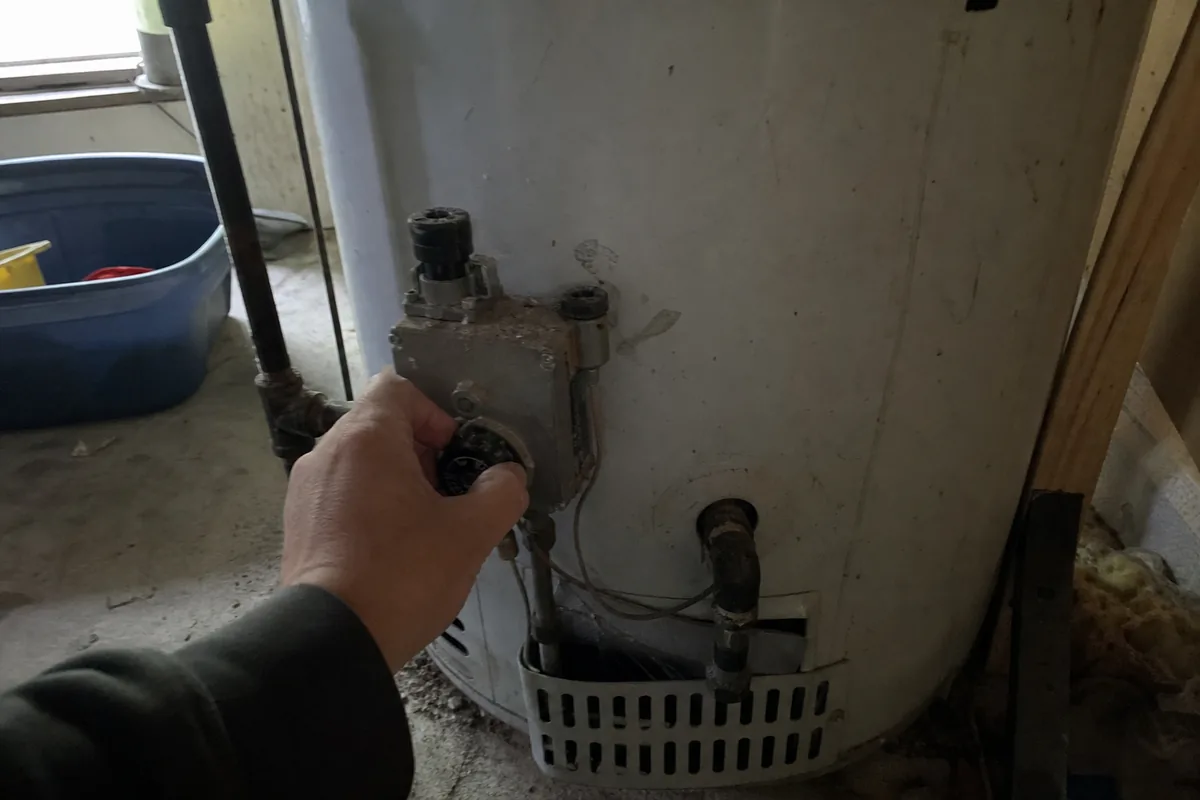
The quick answer: set it to 120°F
Set a home water heater to 120°F. The Department of Energy puts it plainly: "Set your water heater temperature to 120°F, a temperature considered safe for most of the population." The same guidance stresses savings and safety. DOE’s checklist says, "Turn down the temperature of your water heater to the warm setting (120°F). You'll save energy and avoid scalding your hands."
ENERGY STAR aligns. It says, "Set your water heater thermostat at 120 degrees Fahrenheit or lower."
Why 120°F matters for your bill
Water heating is a big load. DOE says, "It typically accounts for about 18% of your energy usage." That makes the setpoint a high-impact lever.
Lowering the setpoint saves. DOE’s Building America guidance reports, "each 10°F reduction in water temperature saves 3%–5% in energy costs for water heating and also slows corrosion in the water heater and pipes, helping the water heater continue to operate efficiently (NAHB Research Center et al. 2006)." Those savings compound with other tweaks.
DOE also ties a common change to real bills. Its consumer page says, "Adjusting your water heater from 140° to 120° degrees can reduce the risk of scalding, slow build-up in your pipes, AND potentially save you hundreds of dollars a year on energy savings."
Want more context on major loads? See this explainer on what uses the most electricity in your home.
Storage vs. delivered temperature
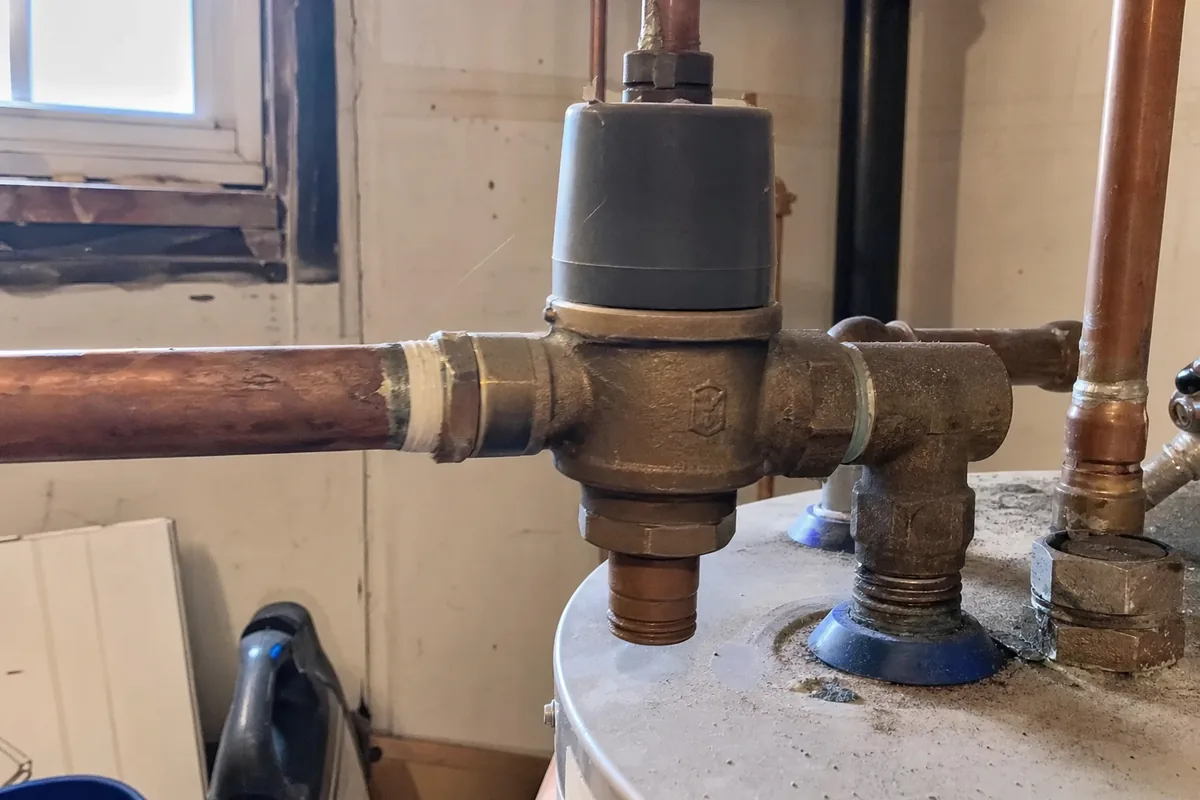
Your tank holds water at a storage setpoint. Fixtures see a delivered temperature. A thermostatic mixing valve blends hot and cold at the heater. It caps the outgoing water.
DOE’s purchasing guidance is direct about that device: "For residential applications, set the temperature on this device, also known as a mixing valve, to 120°F." This setup lets a home store hotter water if needed, yet still deliver 120°F to taps and showers.
Dishwashers often push the exception. DOE notes, "Dishwashers require the hottest water of all household uses, typically 135° Fahrenheit (F) to 140°F." Many models include a boost or sanitize cycle that heats water inside the machine. Check your manual. If you must store hotter for a specific appliance, use a mixing valve so fixtures still get 120°F.
How to set and check your water heater
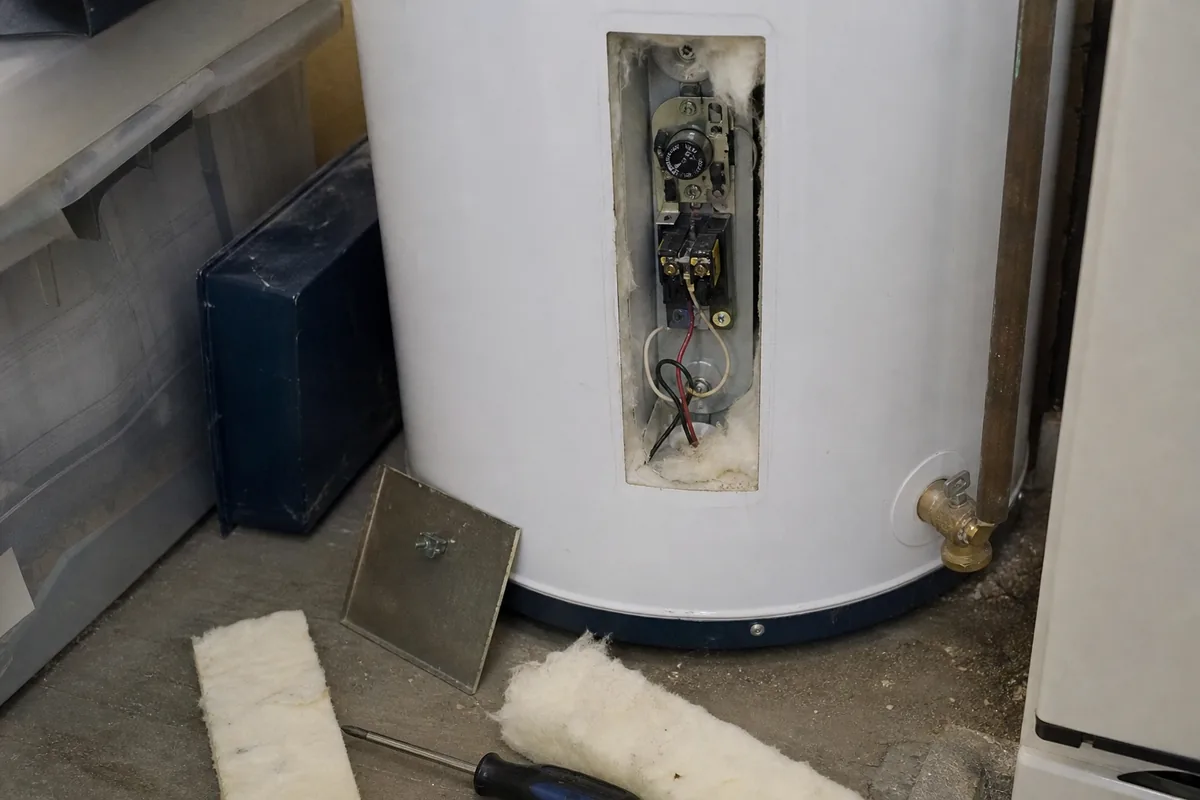
- Find the thermostat. Gas units usually have a dial on the gas control. Electric units often hide thermostats behind small metal panels.
- For electric heaters, shut off power at the breaker before opening panels. Replace insulation and covers after adjustment.
- Set the dial to 120°F. If the dial is not marked, make a small change and test.
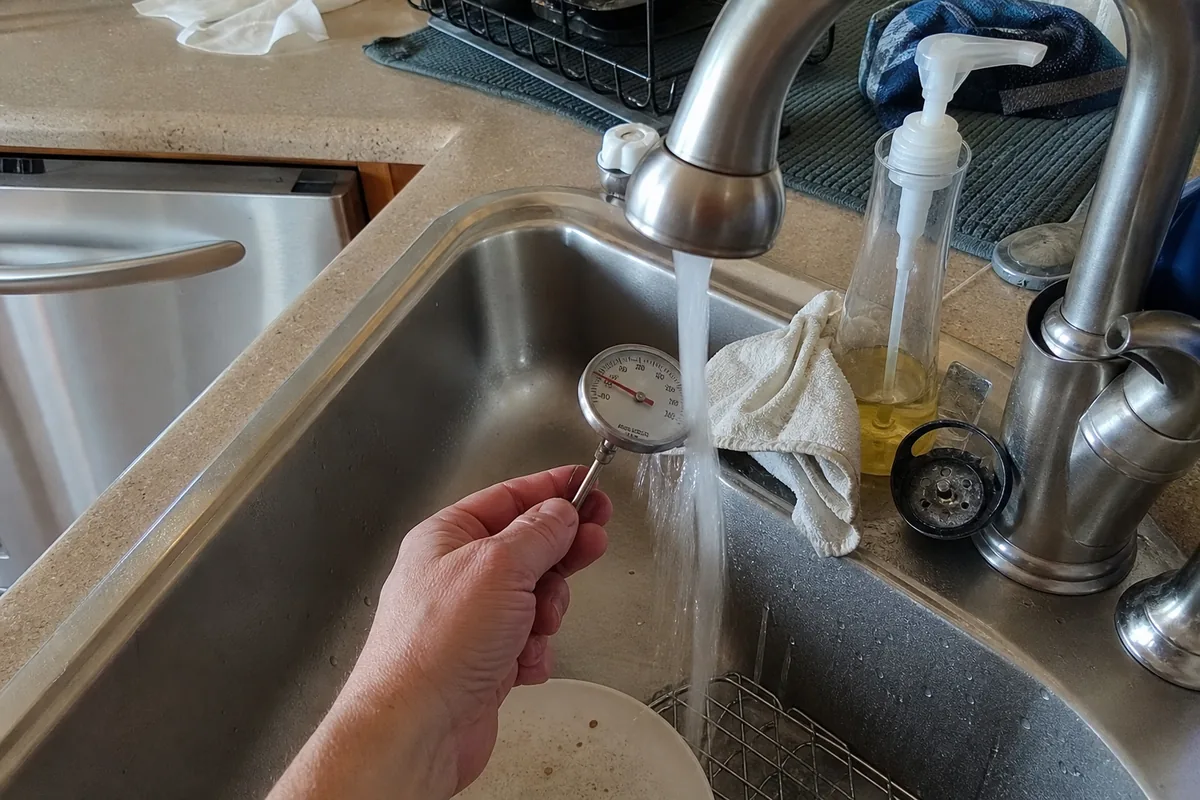
- Measure at a faucet with a kitchen thermometer. Let hot water run until steady. The goal at taps is 120°F.
- If you store hotter, install or adjust a mixing valve near the heater. DOE guidance states, "For residential applications, set the temperature on this device, also known as a mixing valve, to 120°F."
Recheck after the tank has had time to recover. Small changes can make a noticeable difference at the tap.
Safety, exceptions, and smarter settings
Scald safety matters. DOE’s checklist pairs the 120°F target with clear language: "You'll save energy and avoid scalding your hands." That balance is why 120°F is the default.
Dishwashers are the notable outlier. DOE states, "Dishwashers require the hottest water of all household uses, typically 135° Fahrenheit (F) to 140°F." A built-in booster or sanitize feature usually handles this while the tank stays at 120°F. If a model lacks that feature, a mixing valve still protects showers and sinks.
Many newer heaters and controls include vacation or away settings. Use them when traveling. Restore normal settings when back.
Insulation can stack more savings on top of setpoint changes. DOE’s consumer guide quantifies it: "This could save you another 4%–9% of water heating energy." Focus on easy wins around the heater. Insulate accessible hot-water pipes leaving the tank. Consider a tank wrap if your model and local codes allow it.
Leaks waste hot water and the energy that heated it. Fix drips at faucets and showerheads. For scale on wasted water, see this breakdown of how much water a leaking faucet really wastes.
The bottom line
Make 120°F your starting point. DOE’s guidance is consistent: set water heaters to 120°F for most homes, and set any mixing valve to deliver 120°F at fixtures. ENERGY STAR also says to set the thermostat at "120 degrees Fahrenheit or lower."
The bill impact is real. DOE says, "It typically accounts for about 18% of your energy usage." DOE also reports, "each 10°F reduction in water temperature saves 3%–5% in energy costs for water heating and also slows corrosion in the water heater and pipes, helping the water heater continue to operate efficiently (NAHB Research Center et al. 2006)." DOE adds, "This could save you another 4%–9% of water heating energy."
Keep it simple. Set 120°F. Verify at a faucet. Use a mixing valve if storage must be hotter. Use vacation mode when away. That protects people, equipment, and your energy budget.
Sources
- U.S. DOE — Energy Saver: Tips on Saving Money and Energy in Your Home (2022)
- U.S. DOE FEMP — Home Energy Checklist
- U.S. DOE — Building America: Energy Efficiency Measures to Incorporate into Remodeling Projects
- ENERGY STAR — Energy Savings Tips for Small Businesses: Home‑Based Businesses
- U.S. DOE FEMP — Purchasing Energy‑Efficient Residential Water Heaters (updated May 2024)
- U.S. DOE FEMP — Purchasing Energy‑Efficient Residential Dishwashers (updated Oct. 2023)
- U.S. DOE — Save Energy: Renters