What That Old Fridge in the Garage Costs to Run
It holds a few drinks. It bills you every hour of every day, all year.
Part of our guide to where the money in a household bill goes
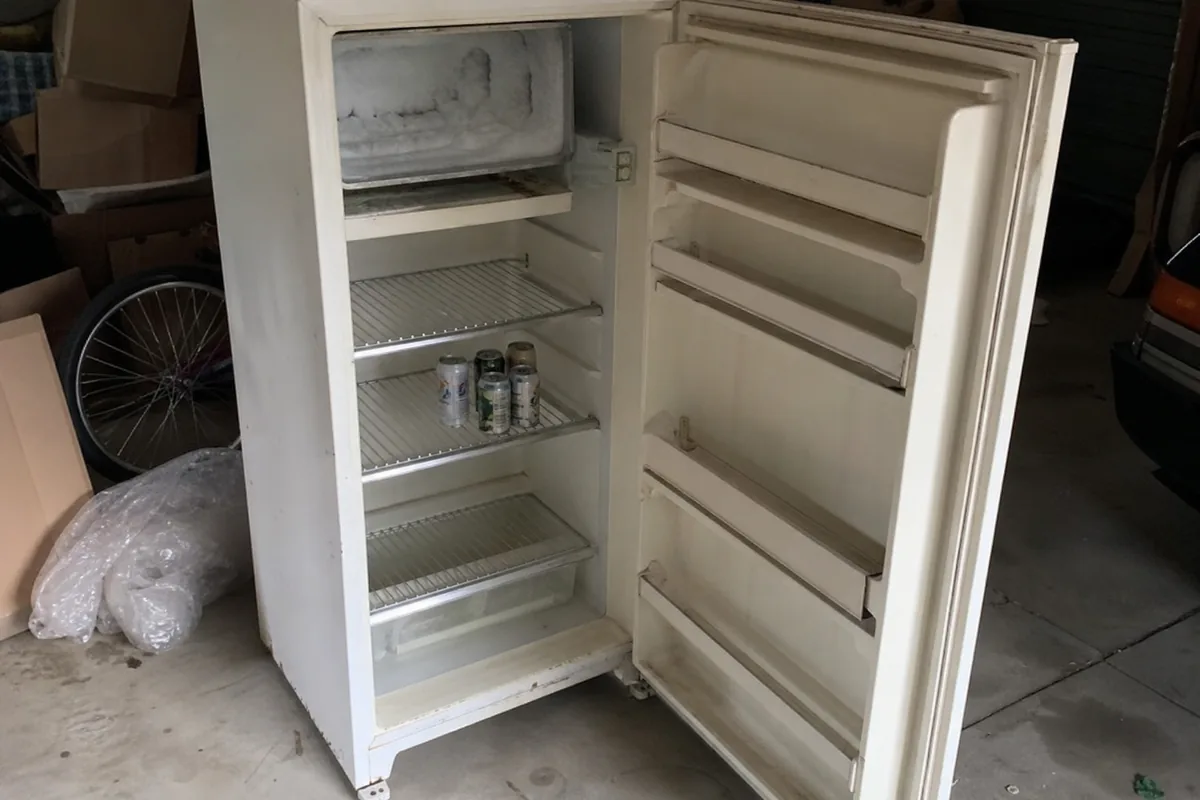
A second refrigerator is the only appliance in most homes that costs money for doing nothing.
It usually lives in a garage or a basement. It holds a few cans and a bag of ice. It runs twenty-four hours a day anyway.
ENERGY STAR gives the figure: "Refrigerators over 15 years old could be costing you more about $95 per year to run."
Why old ones cost so much more
Age does two things to a refrigerator. The insulation degrades. The compressor then works harder for the same result.
ENERGY STAR puts the gap plainly. An average old unit uses "about 20% more energy than a model that has earned the ENERGY STAR".
Nothing about that is visible from outside. The fridge still gets cold. It simply takes more electricity to get there, every hour, for years.
The garage is the worst place for it
A refrigerator in an unheated garage fights the weather as well as the food.
In summer the surrounding air is hotter than a kitchen, so the compressor runs longer to shed heat. In winter some units struggle in the other direction. The thermostat reads a cold room, while the freezer still needs to stay below freezing.
So the appliance that already uses the most energy is often the one in the least suitable room, holding the least.
What "$95 a year" actually means
That figure is electricity for one appliance. It is not a repair bill or a one-off. It is a charge that arrives every month whether you open the door or not.
Put next to other household costs, it is roughly a streaming subscription. The difference is that nobody chose it, and most people have forgotten it is running.
It also scales with how bad the unit is. A fifteen-year-old fridge in a cool basement holding a week of food is doing a job. The same fridge in a hot garage holding four cans is the version worth acting on.
How to tell if yours is one of the expensive ones
Four checks, none of which need a meter.
Find the age. There is a plate or sticker inside the door or on the back with a model and serial number. Many manufacturers encode the build date there, and a quick search of the model number will usually date it.
Listen to it. A compressor that runs almost constantly, rather than cycling on and off, is working hard to hold temperature.
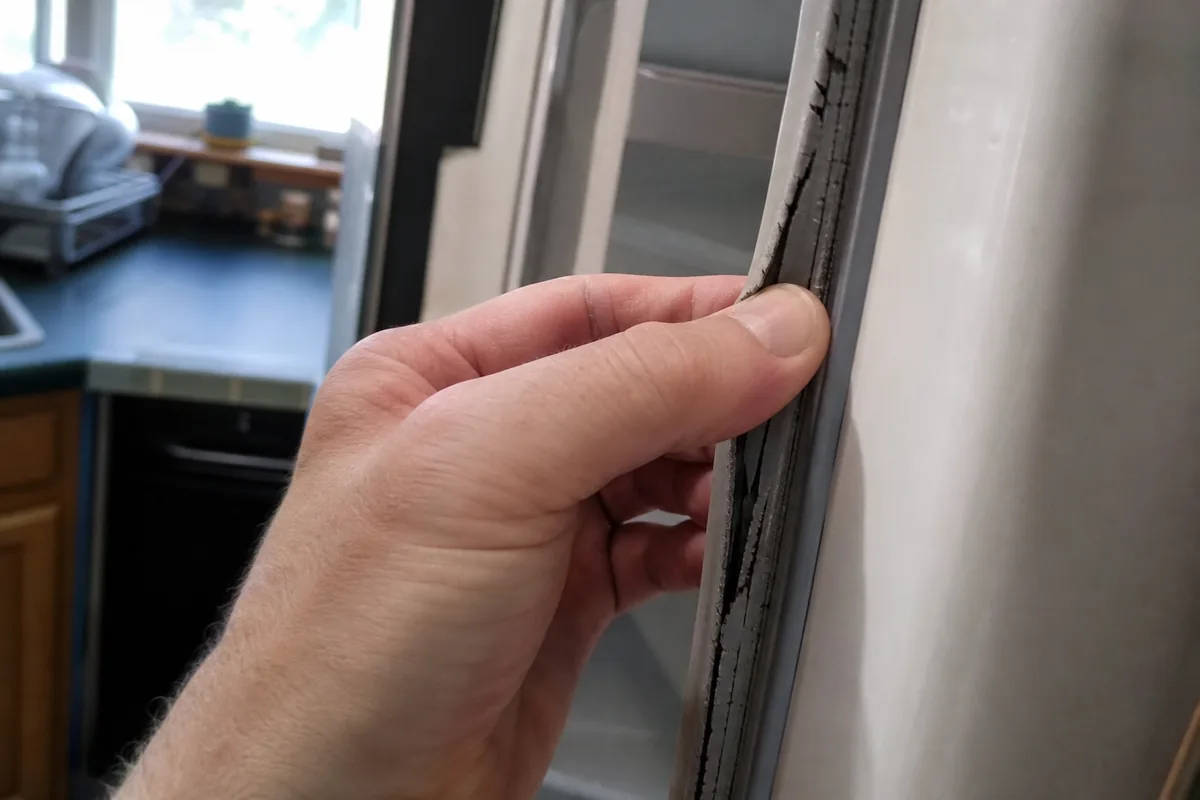
Check the seal. Close the door on a sheet of paper and pull. If it slides out with no resistance, the gasket is not sealing, and cold air is leaking out continuously.
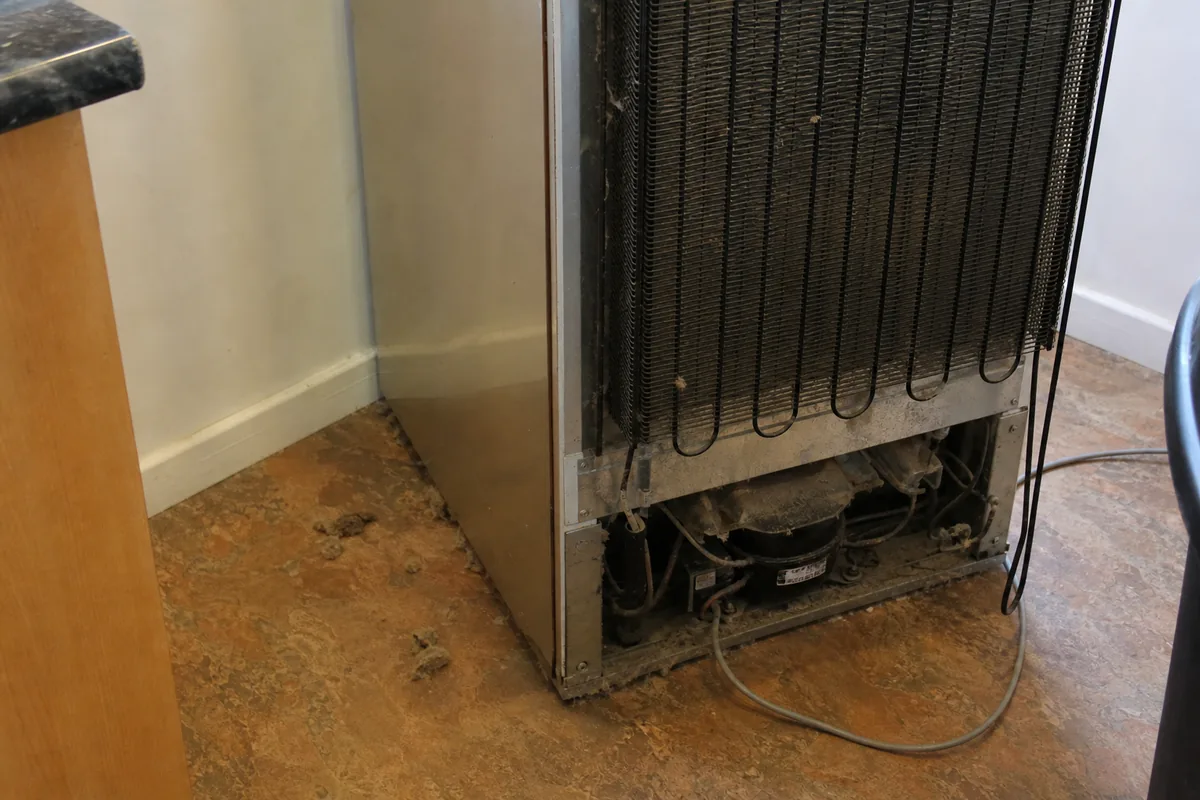
Look at the back. Condenser coils packed with dust cannot shed heat, so the compressor runs longer. This one is free to fix with a vacuum.
The decision is simpler than it looks
There are only three options, and the right one is usually obvious once the fridge is empty enough to look at honestly.
Unplug it. If it holds drinks and nothing else, this is free and immediate. No purchase, no disposal, no decision to revisit.
Keep it. Reasonable if it genuinely earns its place — a large household, bulk shopping, a chest of frozen food that would not fit elsewhere.
Replace it. ENERGY STAR's figure for doing this properly: "By properly recycling your old refrigerator and replacing it with a new ENERGY STAR certified refrigerator, you can save about $150 over the 12-year lifetime of the product."
Note what that number is and is not. It is the saving over twelve years, not a reason to replace a working fridge tomorrow. A new unit makes sense when the old one is failing anyway. It also makes sense at fifteen-plus years in a hot garage holding four cans.
Do not just move it to the curb
An old refrigerator is not ordinary waste. The cooling circuit and the foam insulation contain substances that are regulated for disposal.
Utilities in many areas run recycling programs that collect a working second fridge from the house, sometimes with a rebate attached. Retailers often take the old unit away when they deliver a new one.
That matters to the arithmetic above. ENERGY STAR's saving figure assumes the old fridge is properly recycled. Moving it to a friend's garage does not save anything. It just moves the $95 a year to someone else.