What Uses the Most Electricity in Your Home
Heating and cooling use more than everything else put together. The gadget hunt is the small part.
Part of our guide to where a household's money actually goes
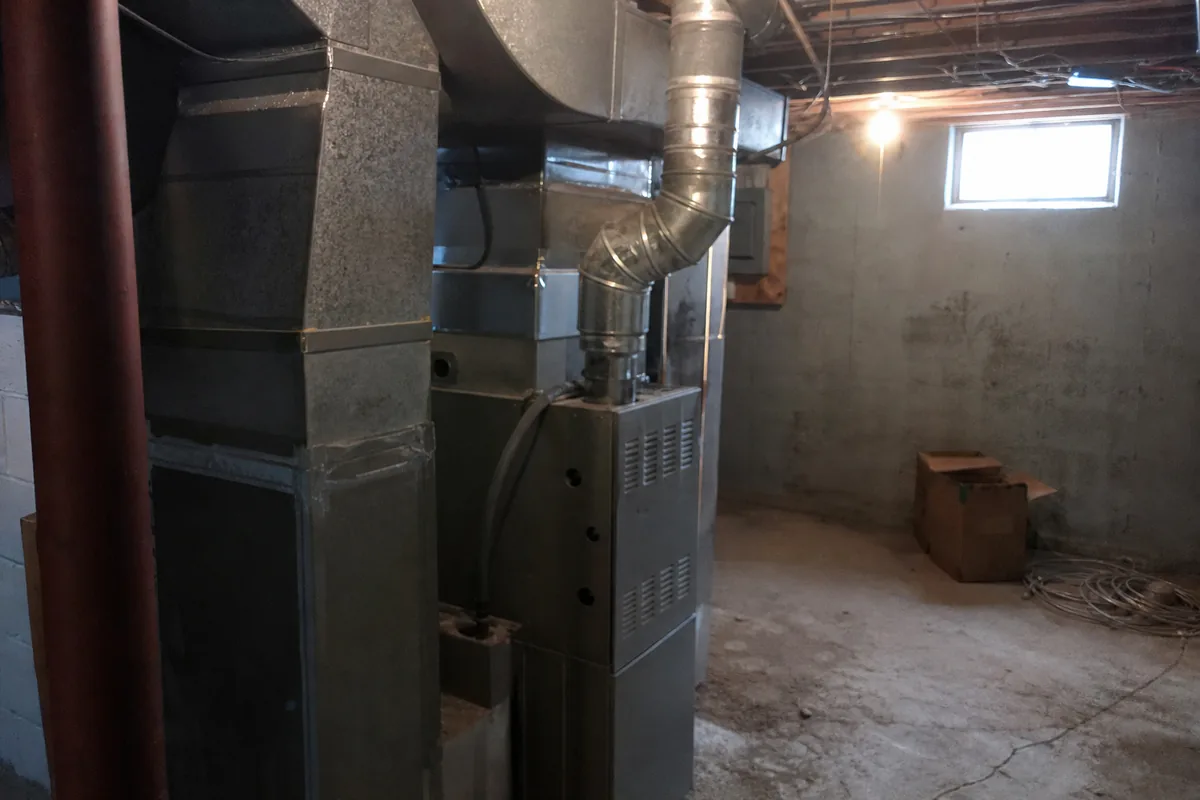
Heating and cooling use more energy than everything else in a home combined. Not the television. Not the spare fridge in the garage. Two systems most people never think about.
The U.S. Energy Information Administration surveys American homes to find out where the energy goes. Its 2020 Residential Energy Consumption Survey put it plainly: "more than half—52% in 2020—of a household's annual energy consumption is for just two energy end uses: space heating and air conditioning."
That single figure changes where it makes sense to look first.
The two systems that use half of everything
Space heating and air conditioning together take 52% of what a home uses in a year. Everything else in the house splits the remaining 48%.
This is why unplugging chargers feels productive but changes little. The chargers are not the problem. The furnace and the air conditioner are.
Their share also moves more than any other. A leaky house in a cold winter leans hard on the furnace. A shaded house in a mild climate barely runs either system. Same appliances, very different bills.
The quarter nobody thinks about
Water heating, lighting and refrigeration come next. The EIA groups the three together: "In 2020, these three end uses accounted for 25% of total annual home energy use."
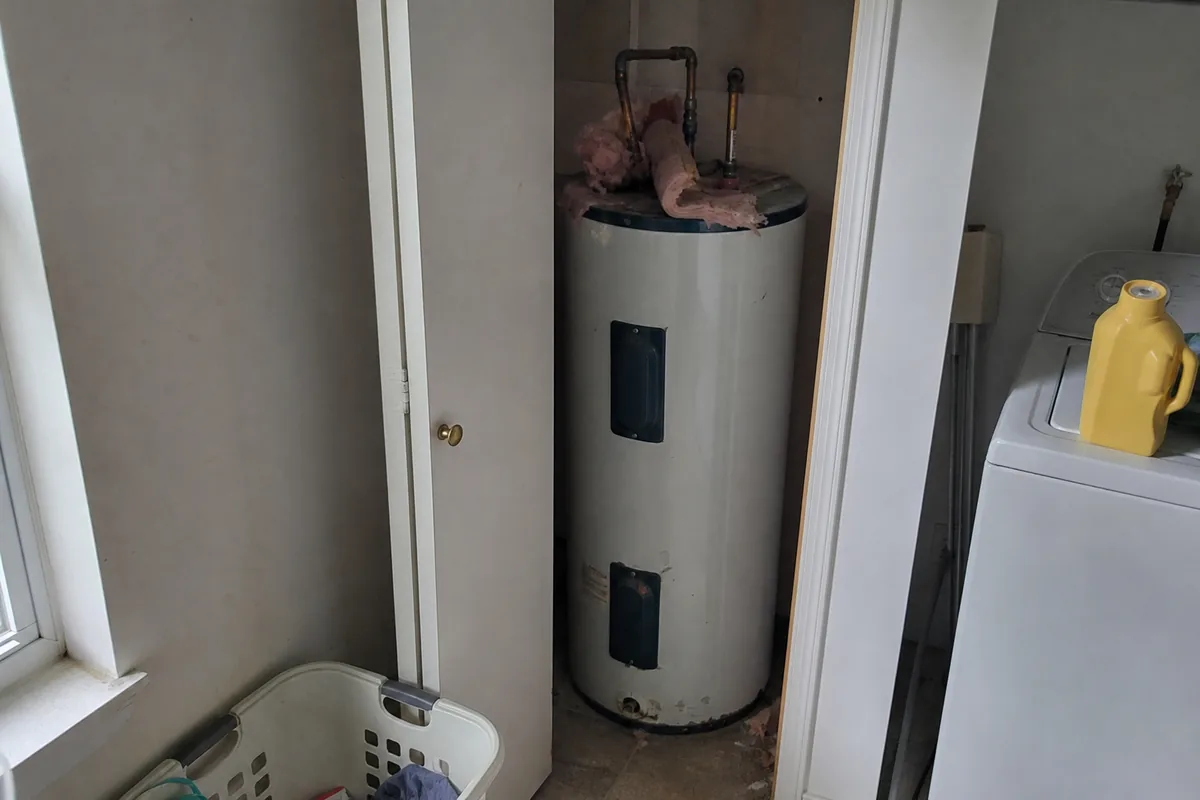
Water heating is the one worth attention. It works every single day, all year, regardless of the weather. A heating system rests for months. A water heater never does.
Lighting has quietly shrunk as a share. LED bulbs use a fraction of what older bulbs drew for the same light. Refrigeration is steadier — a fridge runs constantly, and an old one runs harder than a new one.
The fifth that gets blamed first
Everything else adds up to 23%. In the EIA's words: "The remaining share—23%—of home energy use was for devices such as televisions, cooking appliances, clothes washers, and clothes dryers."
So the gadget hunt is not pointless. It is just small. Just under a quarter of the bill is spread across dozens of devices, which means no single one of them is the answer.
How much a typical home actually uses
Your electricity bill counts in units called kilowatt-hours. Most people just say "units" or "kWh". It is the only number on the bill that measures what you actually used.
One unit is easier than it sounds. It is a 1,000-watt appliance running for one hour. Wattage is printed on the label of nearly everything in a kitchen. An appliance labelled 1,500 watts uses a unit and a half for every hour it runs.
In 2022, the average American home bought 10,791 units of electricity in a year. That is about 899 a month.
Your own bill shows that same number, in that same unit. Find it and compare.
Around 900 units a month is ordinary. Well above it usually points to one of three things. A bigger house. Heating that runs on electricity instead of gas. Or something old, working harder than it should.
One thing to keep straight. The 52% figure above covers all the energy a home uses, gas included. The 10,791 units are electricity alone. A home that heats with gas burns plenty of energy that never appears on its electricity bill at all.
Why your neighbor's bill looks nothing like yours
Location matters more than habits. The EIA found Louisiana homes bought the most electricity of any state, at 14,774 kWh a year. Hawaii homes bought the least, at 6,178 kWh.
That is a difference of more than double, between two states in the same country. Long humid summers mean constant air conditioning. Mild year-round weather means hardly any.
So comparing your bill to a friend's in another state tells you almost nothing. Compare it to your own bill from the same month last year instead.
Why wattage is the wrong number to compare
Most appliance guides rank devices by watts. That ranking is misleading, because watts measure how hard a device pulls while it is on.
A 1,500-watt hair dryer pulls a lot. It also runs for four minutes a day. A 200-watt refrigerator pulls far less, and runs all day, every day, all year.
What lands on a bill is watts multiplied by hours. That is what a kilowatt-hour measures, and it is why the survey ranks whole systems rather than appliances. Heating and cooling win on both counts: they pull hard, and in the wrong season they run constantly.
How to read your own bill against this
A utility bill has two separate parts, and mixing them up leads to the wrong conclusion.
The first part is how much electricity you used, in kilowatt-hours. That is the part your habits and your equipment control.
The second is the rate you pay per kilowatt-hour. That part is set by your utility and your state. You cannot fix a rate increase by unplugging anything.
So check which number moved. If your kWh held steady and the bill rose, the rate changed. If the kWh jumped, something in the house changed — and the survey says to look at the big two first.
Where to look first
The survey points to an order of operations. Start where the energy actually goes.
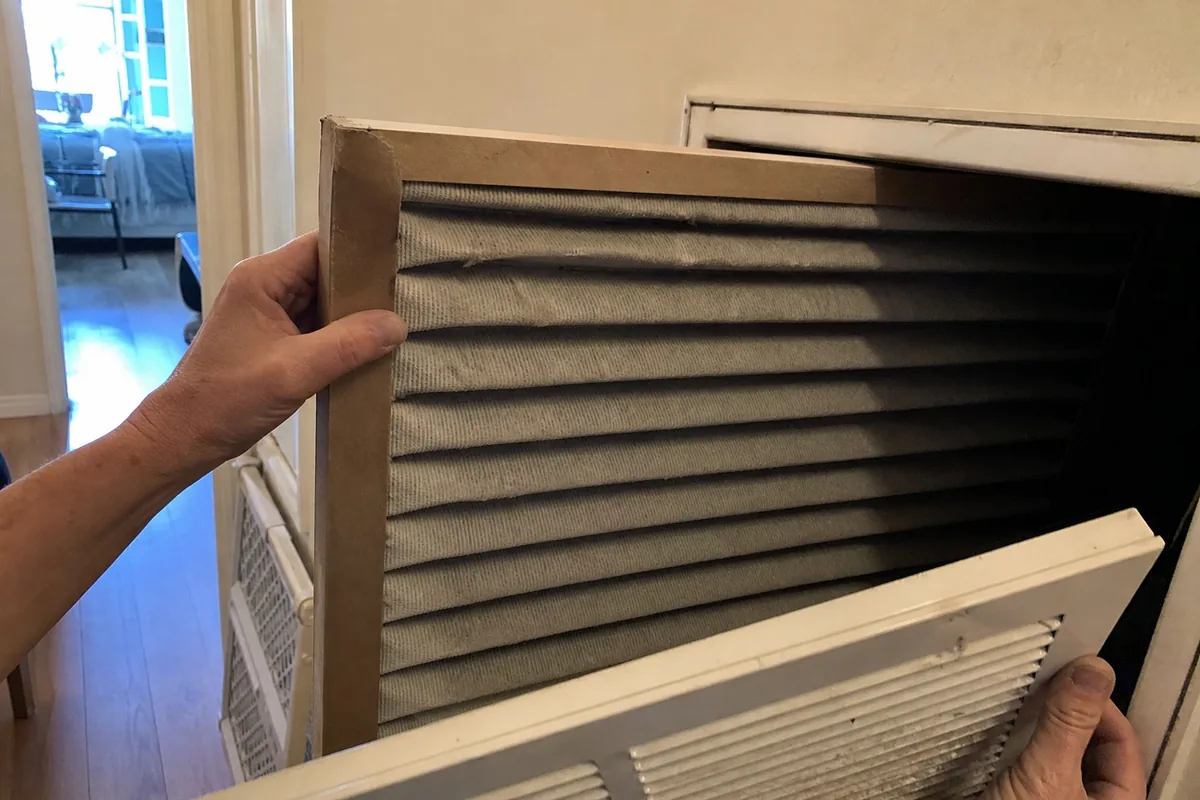
Heating and cooling. This is the 52%. Check the thermostat schedule, change a clogged filter, and look at whether ducts are leaking into an attic or crawl space. These systems are also the ones where a service call pays for itself, because they are the largest consumer in the house.
The water heater. This is the daily, year-round load inside that 25%. Check the temperature setting first. Then feel the tank and the pipes leaving it. Warm metal means heat is leaking into the room instead of into your shower.
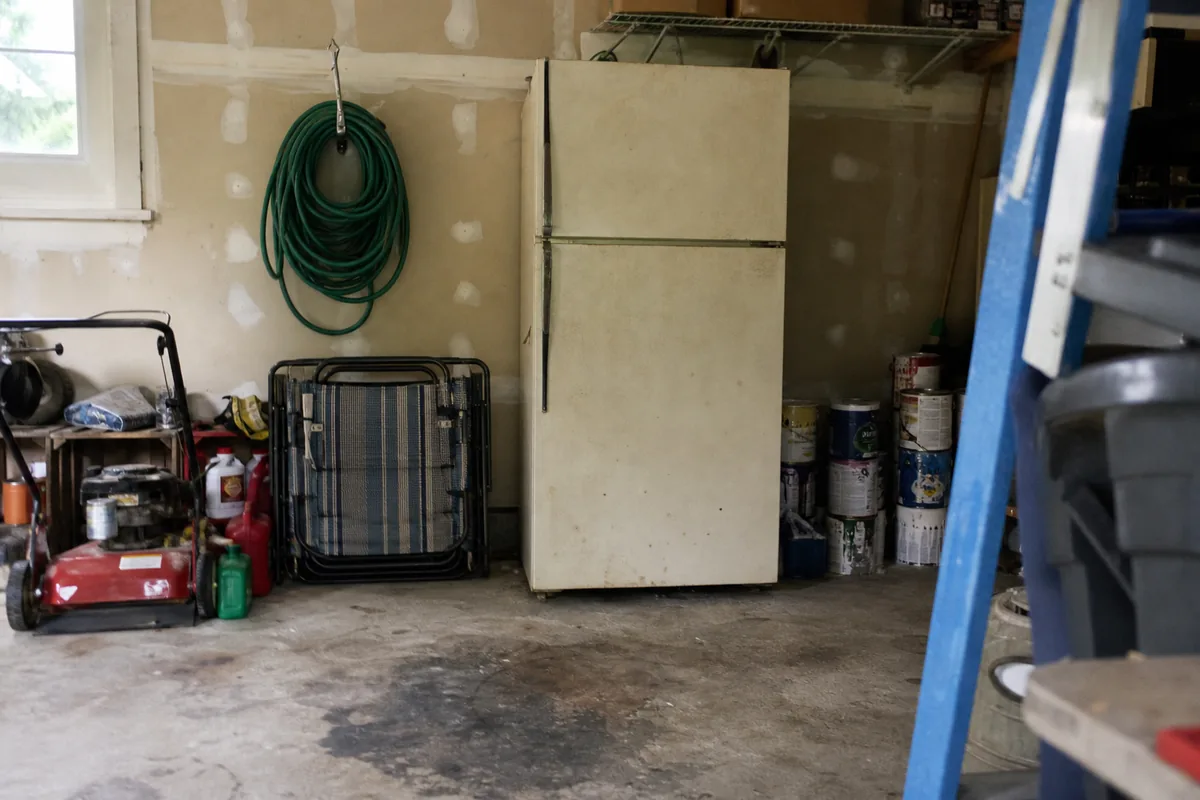
The old fridge. A second refrigerator in a garage or basement runs all year to keep a few drinks cold. It is the clearest example of a device whose cost has nothing to do with how often you use it.
Everything else, last. The 23% is real, but it is spread thin. Work through it after the big two, not before.