Where Your Home's Money Actually Goes
Two systems take half the energy. A quarter goes to things nobody thinks about. The gadgets everyone blames are the small part.
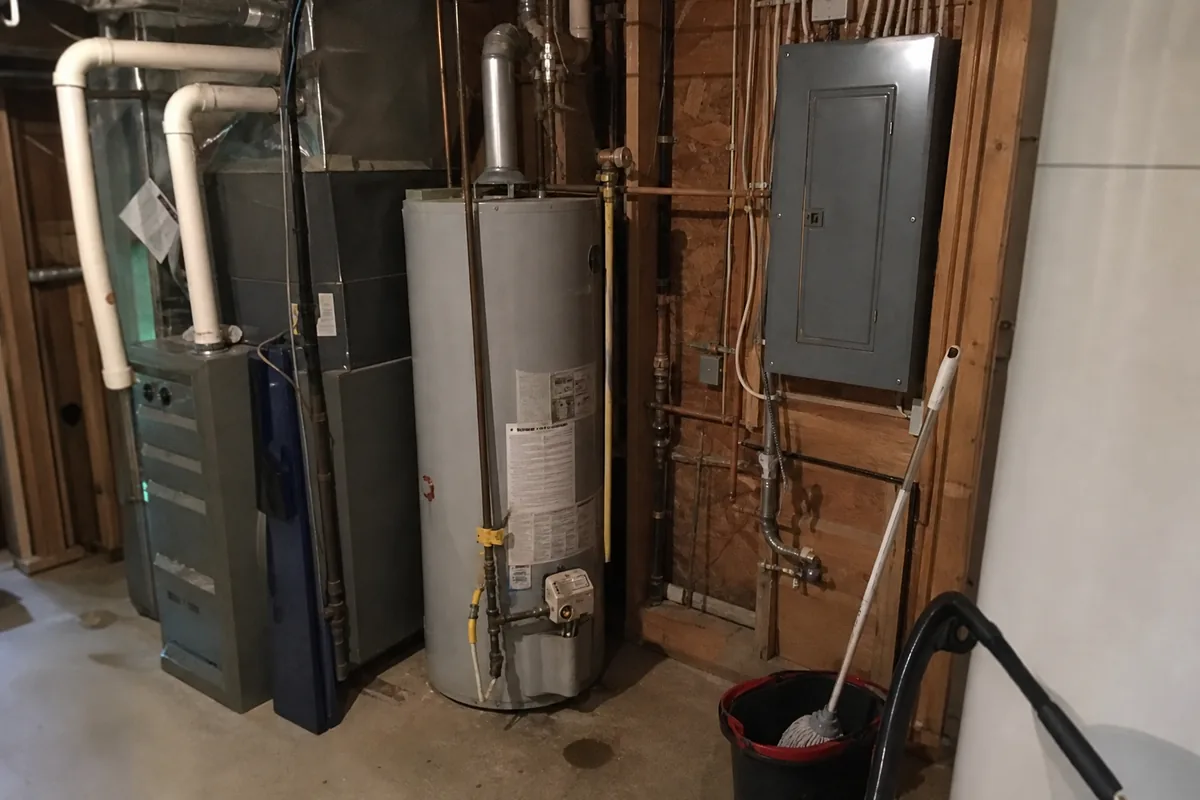
Most advice about household bills starts with the small stuff. Unplug the chargers. Switch off at the wall. Buy a smart plug.
The survey data says to start somewhere else entirely.
Half of it is two machines
The U.S. Energy Information Administration surveys American homes to find where the energy goes. Its 2020 survey: "more than half—52% in 2020—of a household's annual energy consumption is for just two energy end uses: space heating and air conditioning."
Two systems. Half the energy. Everything else in the house splits what is left.
That is the whole reason the gadget hunt disappoints people. It is work applied to the wrong quarter of the problem.
A quarter goes to three quiet things
Water heating, lighting and refrigeration come next. The EIA groups them: "In 2020, these three end uses accounted for 25% of total annual home energy use."
Water heating is the one worth attention. Heating and cooling get a break when the weather is mild. A water heater never does.
The fifth everyone blames first
Everything else — "televisions, cooking appliances, clothes washers, and clothes dryers," in the EIA's words — accounts for 23%.
Not nothing. Just spread across dozens of devices, which means no single one of them is the answer you are looking for.
Water is a separate bill with its own leak
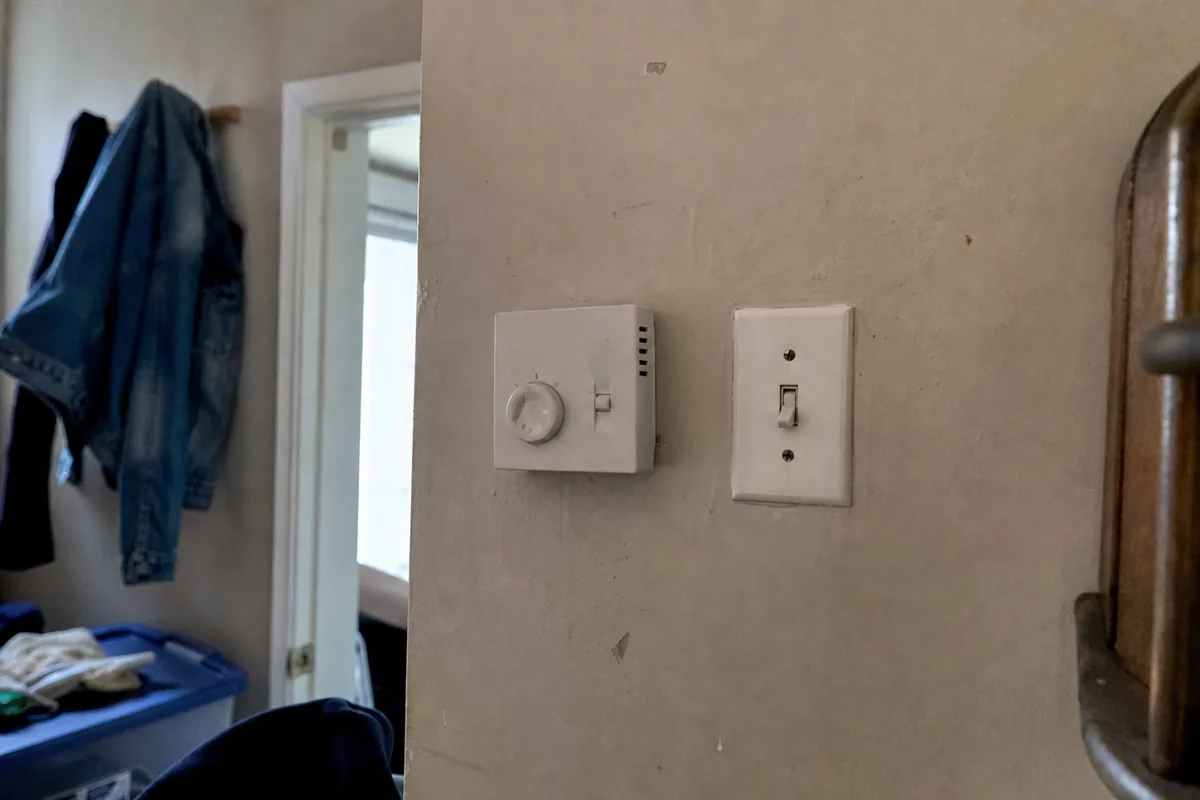
Energy is not the only meter running. The EPA reports that "the average household's leaks can account for more than 9,300 gallons of water wasted every year," and that "nine percent of homes have leaks that waste 50 gallons or more per day."
Most of that is invisible. A toilet flapper that no longer seals costs a few dollars and leaks continuously until someone checks.
Fixing the easy ones is worth "about 10 percent" on a water bill, according to the agency.
One appliance bills you for doing nothing
The exception to "no single device is the answer" is the second refrigerator.
ENERGY STAR's figure: "Refrigerators over 15 years old could be costing you more about $95 per year to run." A garage fridge holding a few cans is the clearest case in the house of a cost that has nothing to do with how much you use something.
Why the order matters more than the effort
Most household advice is a list of tips with no weighting. Every item looks equally worth doing, so people start with whichever is easiest.
The easiest things are almost always in the 23%.
Weighting changes the result. An hour spent on the thermostat schedule and a clogged filter sits inside the 52%. The same hour spent walking the house unplugging chargers sits inside a fraction of the 23%, split across dozens of devices.
Neither is wrong. One is simply worth much more than the other, and the survey is what tells you which.
What this guide covers
Each part of the picture has its own arithmetic, and the detail is where the decisions get made:
- Electricity, and which systems actually consume it — the 52% and what sits underneath it.
- Water, which is a separate meter with its own quiet failure mode.
- Individual appliances, where one old unit can cost more standing in a garage than a whole category of devices in daily use.
So where do you start
In the order the data suggests, not the order that feels productive.
Heating and cooling first. This is the 52%. The thermostat schedule, a clogged filter, ducts leaking into an attic. It is also where a service call most easily pays for itself.
Then the water heater. The daily, year-round load inside that 25%.
Then the water meter. A two-hour test with everything switched off tells you whether the house is leaking at all.
Then the second fridge. Empty enough to unplug, or old enough to replace.
The gadgets last. The 23% is real. It is also the part where effort buys the least.
Each of those has its own arithmetic, and the detail is where the decisions actually get made.
Everything in this guide
- What uses the most electricity in your home — Heating and cooling use more than everything else put together. The gadget hunt is the small part.
- How much water a leaking faucet really wastes — Nine percent of homes are losing 50 gallons a day. Almost none of them know it.
- What that old fridge in the garage costs to run — It holds a few drinks. It bills you every hour of every day, all year.