Does heating or cooling cost more to run
Heating usually costs more to run than cooling. National data shows why, and what homeowners can do about it.
Part of our guide to which costs more heating or cooling
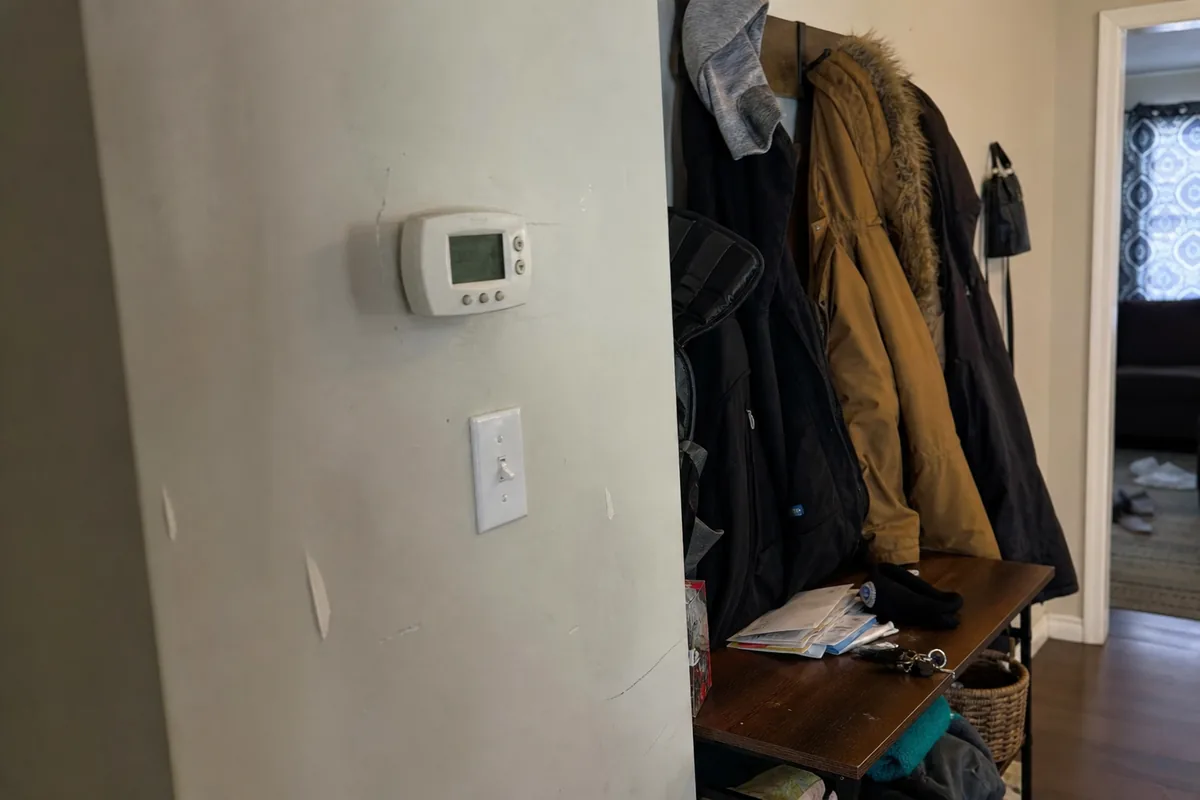
Heating costs more to run than cooling for most U.S. homes.
The U.S. Energy Information Administration (EIA) says it clearly. "Space heating continued to be the top energy-consuming end use in U.S. homes in 2020 according to the Residential Energy Consumption Survey (RECS)."
The national picture: heating dominates
Heating takes the largest energy share in homes. The EIA reports, "Heating homes accounted for 42% of energy consumption in the residential sector. Space heating in U.S. households cost $519 on average."
Cooling is far smaller on average. The EIA notes, "Air conditioning accounted for 9% of total site energy across all U.S. households, but that percentage varied widely across states; for example, air conditioning accounted for 28% of total site energy usage in Florida but just 2% in Maine."
Together, heating and cooling drive more than half of home energy use. The EIA sums it up: "U.S. households need energy to power numerous home devices and equipment, but on average, more than half—52% in 2020—of a household’s annual energy consumption is for just two energy end uses: space heating and air conditioning."
What does this mean for the bill? On average, heating is the bigger line. Cooling still matters in hot regions. The state swing above shows that.
Why bills differ by home
Fuel type changes costs. Many homes heat with gas or propane. Cooling runs on electricity. Fuel prices vary by area and by season. That shifts the bill share even when energy share stays similar.
Climate matters. Long, cold winters drive more heating. Long, hot summers drive more cooling. The EIA’s Florida and Maine example shows the range.
The home itself matters. Insulation, air sealing, ducts, and windows set how hard systems must work. Usage patterns matter too. Thermostat settings change run time.
If you are chasing broader power savings, start with the big uses. See what draws the most in what uses the most electricity in your home. Old appliances can also add up. That extra unit in the garage is a common one. See what that old fridge in the garage costs to run.

Efficiency labels changed in 2023
Comparing systems? Know the new test rules. The Department of Energy says the change took effect Jan. 1, 2023. It changed how HVAC systems are tested and updated the standards for HSPF (heating efficiency) and SEER (cooling efficiency). "With this change, new rating values and nomenclature are used to denote the efficiency ratings—HSPF2 (heating efficiency) and SEER2 (cooling efficiency)."
This matters when judging cost to run. Old SEER and HSPF labels used different test conditions. New SEER2 and HSPF2 labels use updated tests. Compare like with like when pricing usage. Ask the contractor to give SEER2 and HSPF2 for any new quotes.
Heat pumps can change the math
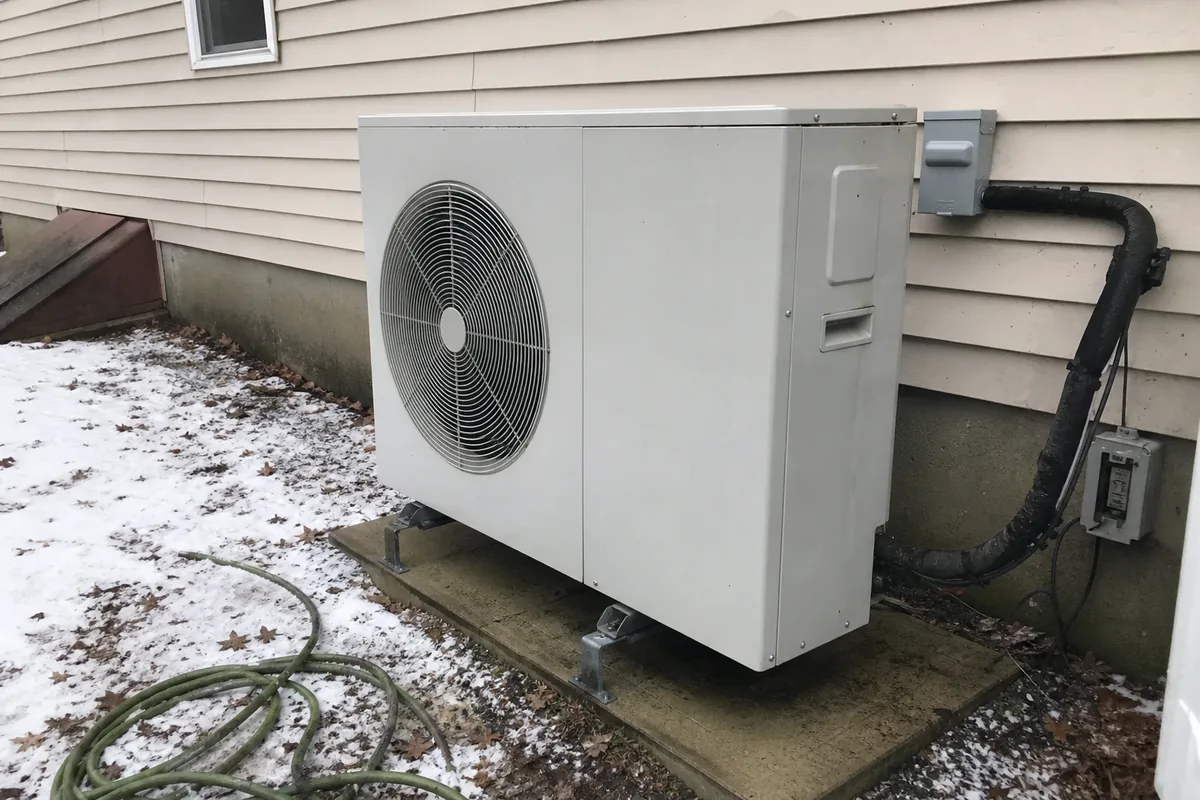
Heat pumps move heat instead of making it. That can cut heating costs for many homes. ENERGY STAR puts the advantage in plain terms. "In the winter months, a heat pump can deliver up to three times more heat energy than the electrical energy it consumes, costing less to operate than traditional HVAC equipment such as furnaces, boilers, or electric resistance heat."
That performance is why heat pumps are rising in cold climates. Real results still depend on the home, the climate, and electricity rates. The unit must be sized and installed well.
What to do to lower both heating and cooling costs
Start with the thermostat. The Department of Energy gives a simple savings rule. "You can save as much as 10% a year on heating and cooling by simply turning your thermostat back 7°-10°F for 8 hours a day from its normal setting."
Seal and insulate. A tighter shell helps in winter and summer. It reduces run time for both systems.
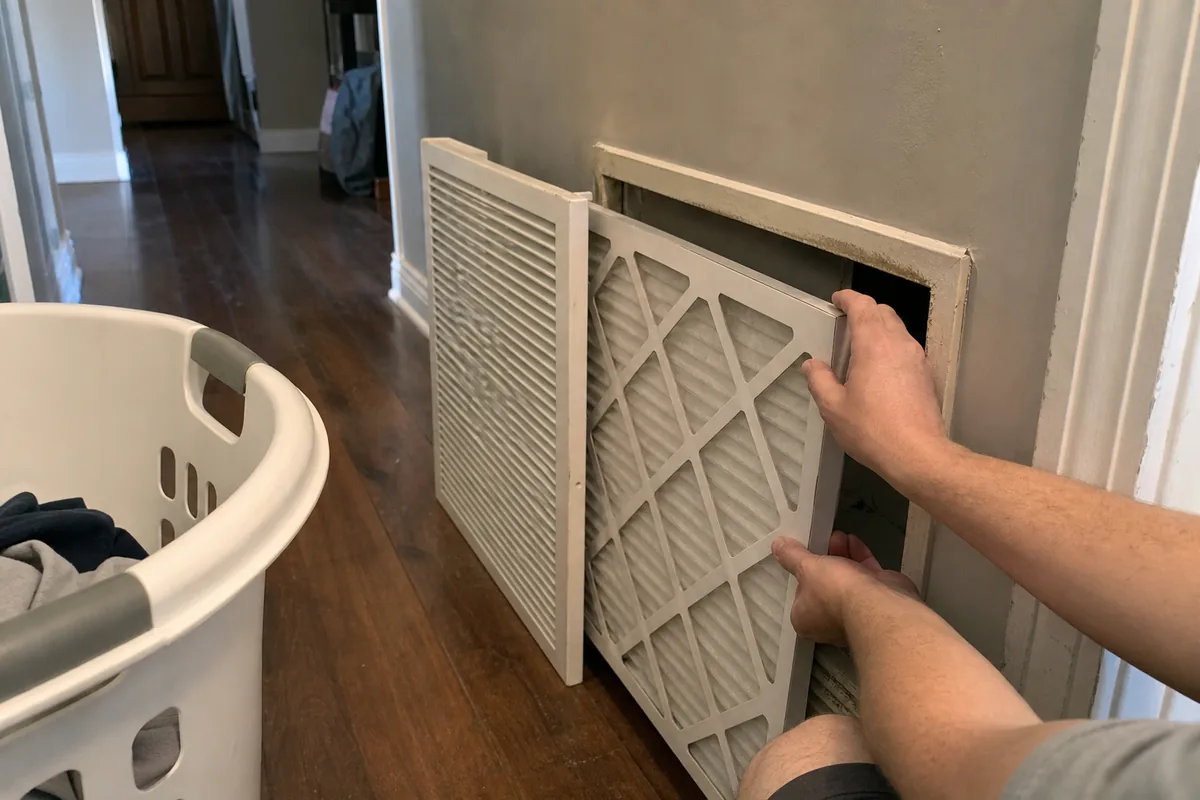
Maintain equipment. Clear outdoor coils. Replace filters on schedule. Keep vents and returns unblocked. Small steps keep efficiency closer to the rated value.
Plan for the new labels. When replacing units, look at SEER2 and HSPF2. These are the current standards. Use them to compare options across brands.
Consider a heat pump. It provides both heating and cooling in one system. The ENERGY STAR guidance above explains why that can lower heating costs.
Bottom line: which costs more to run?
Heating usually costs more to run than cooling. The EIA calls space heating the top energy use. It reports a 42% energy share and an average spend of $519 for space heating. Cooling averages 9% of household site energy nationwide. Some states see far more cooling energy than others.
For a single home, the winner depends on fuel prices, climate, and the building. But the national data points one way. Heating is most often the bigger bill driver. Focus upgrades and settings there first, then optimize cooling.
Sources
- U.S. Energy Information Administration (EIA) – Press release (June 15, 2023)
- U.S. Energy Information Administration (EIA) – Energy use in homes
- U.S. Department of Energy – FEMP Central Air Conditioners purchasing guidance
- ENERGY STAR (EPA/DOE) – Keep Your Cool AND Save Your Money this Summer
- U.S. Department of Energy – Home Upgrades